
KFOR-TV: Is Your Aging Parent Safe at Home?
Worried about an aging parent who lives alone? Simple, affordable solutions can offer peace of mind.

 Watch Segment on KFOR-TV
The recent kidnapping case involving Nancy Guthrie has understandably shaken many families. When a story like that dominates the news cycle, it hits close to home – especially for adult children whose aging parents live alone. Even if the circumstances were unusual, it’s a stark reminder that older adults can be vulnerable, particularly when they don’t have someone checking in regularly.
For families separated by distance, the worry can feel even heavier. You want to respect your parent’s independence, but you also want reassurance that if something goes wrong – whether it’s a medical emergency, a fall, or something more serious – someone will know quickly.
Fortunately, there are simple, affordable ways to add a layer of protection without being intrusive.
Check-In Apps
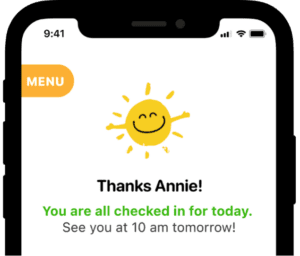 If your parent uses a smartphone, one of the easiest solutions is a free daily check-in app like Snug. Designed specifically for people who live alone, it provides a structured yet unobtrusive way to confirm that everything is okay each day.
After downloading the app, your parent selects a daily check-in time. Snug sends several reminders leading up to that time, prompting them to confirm they’re okay by tapping a large green button on the screen. If they don’t check in within 10 minutes of the scheduled time, the app automatically notifies their emergency contacts and shares their last known location so help can be sent promptly.
For families who want an extra layer of protection, Snug also offers a paid “Dispatch” plan (about $20 per month or $200 per year). This upgraded option allows for multiple daily check-ins and adds live follow-up. If a check-in is missed, a team member will call your parent directly. If they’re still unable to reach them, the service can request a local in-person wellness check by local authorities to ensure everything is alright. The app is available for both iPhone and Android devices.
Check-In Calls
For parents who don’t use a smartphone or prefer a traditional landline, automated telephone reassurance services offer a simple and effective alternative.
These programs make a call at a set time each day. If your parent answers, the system logs that everything is fine. If there’s no response after repeated attempts, designated emergency contacts are notified, and if necessary, backup contacts are called.
Some of the top providers of these services include CareCall, IAmFine, and ConfirmOK. Monthly costs typically range from $15 to $20, and the systems work with any phone – no internet or smartphone required.
Home Technology
For parents who are open to it, simple home technology can also quietly enhance safety without feeling intrusive.
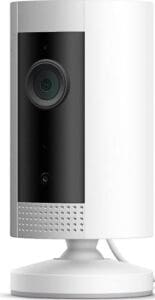 Motion sensors can track daily activity patterns and alert you if movement suddenly stops. Door sensors can notify you if an exterior door opens at unusual hours. Small security cameras with motion detection and two-way audio allow you to check in visually and even speak directly if needed.
Affordable devices from companies like Ring and Wyze can cost under $35. They do require Wi-Fi and may raise privacy considerations, so it’s important to discuss installation and usage with your parent beforehand.
Medical Alert Systems
For more immediate emergency protection, a monitored medical alert device may also be worth considering. These wearable pendants or wristbands allow your parent to press a button for help 24/7. Some models also include automatic fall detection.
Companies such as Bay Alarm Medical and Medical Guardian connect users to a live monitoring center that can dispatch emergency responders and notify family members.
Costs typically start at around $30 per month, depending on features. For parents with mobility issues or fall risk, this can be an important safety tool.